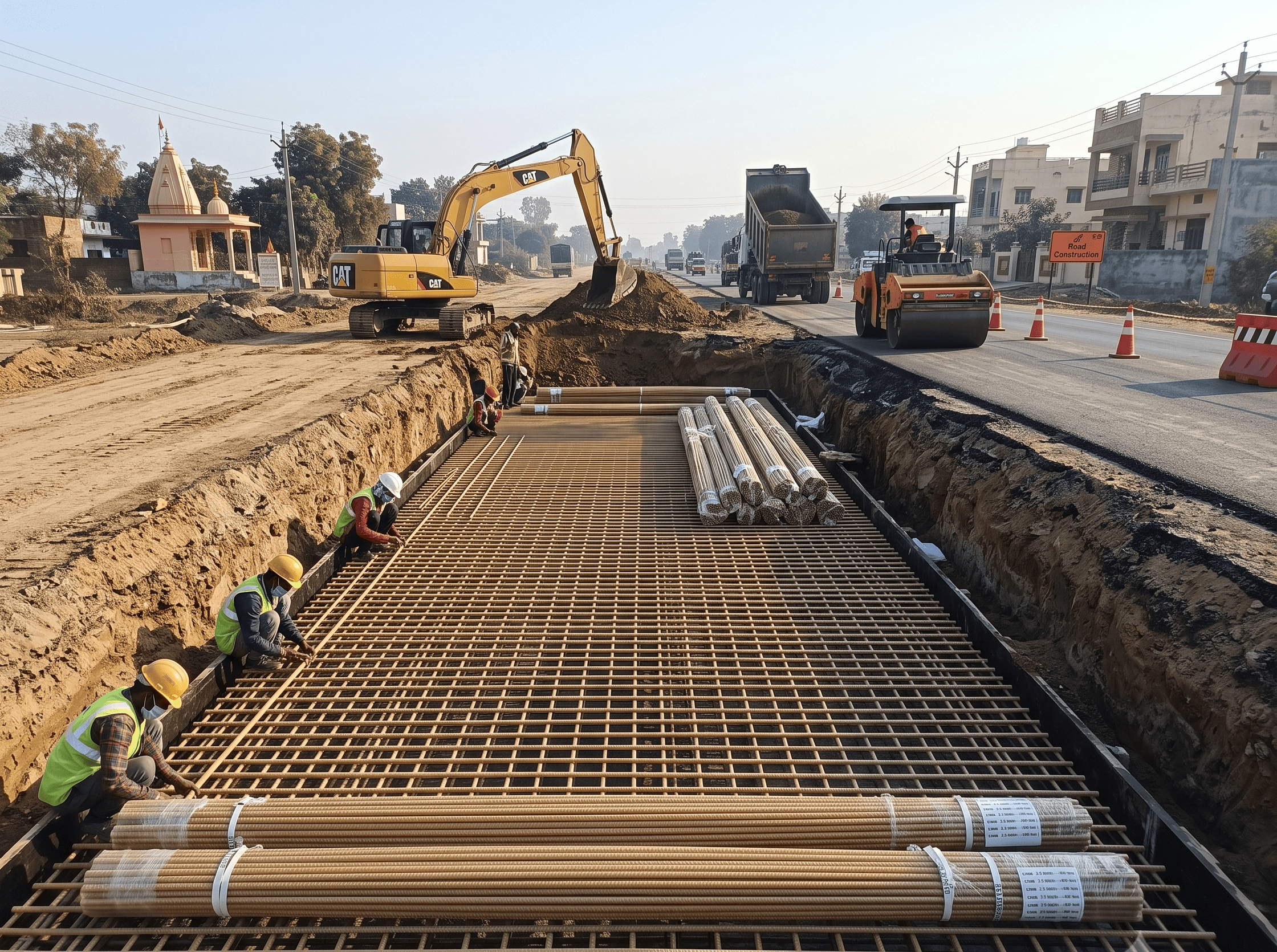
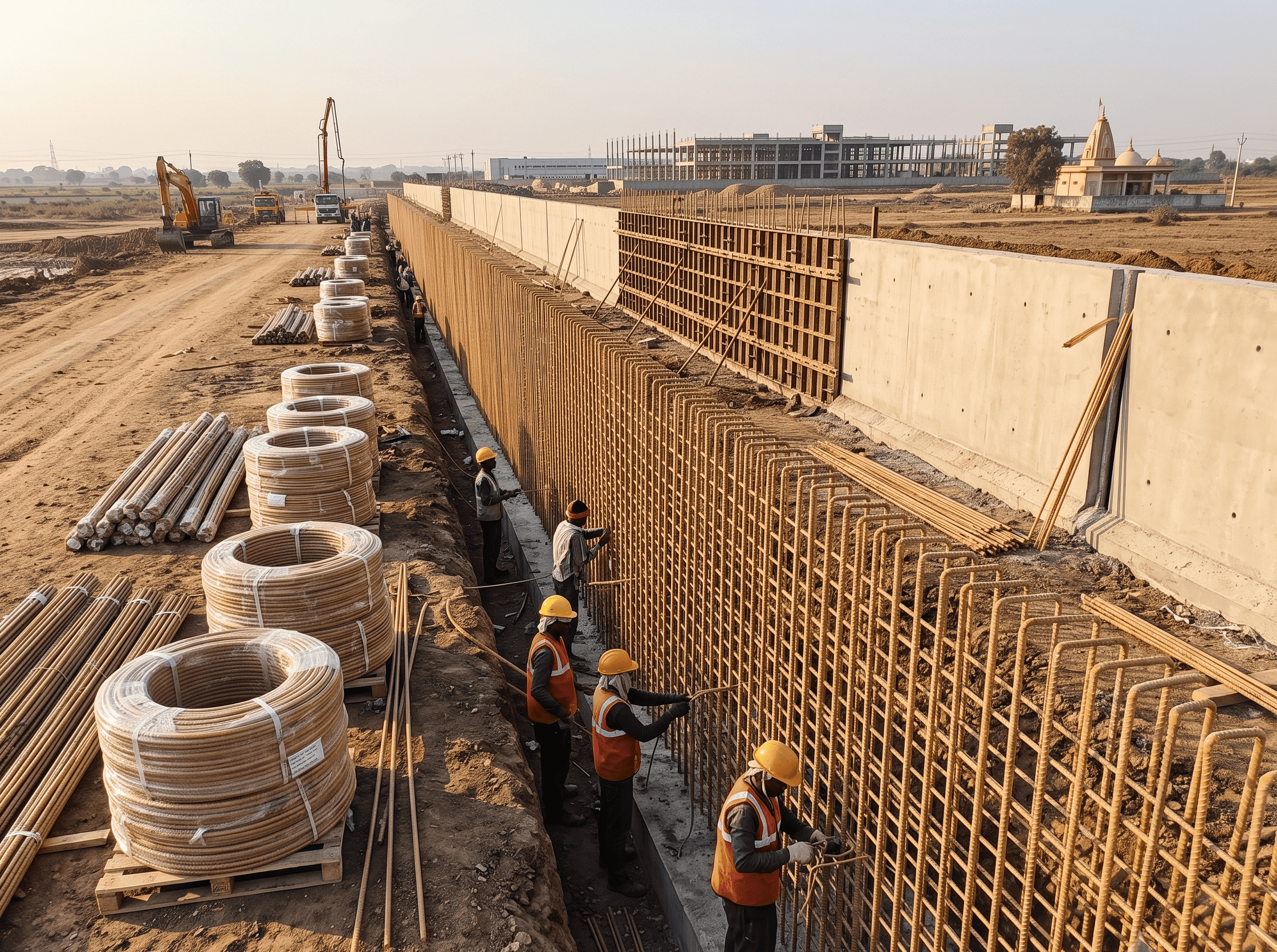
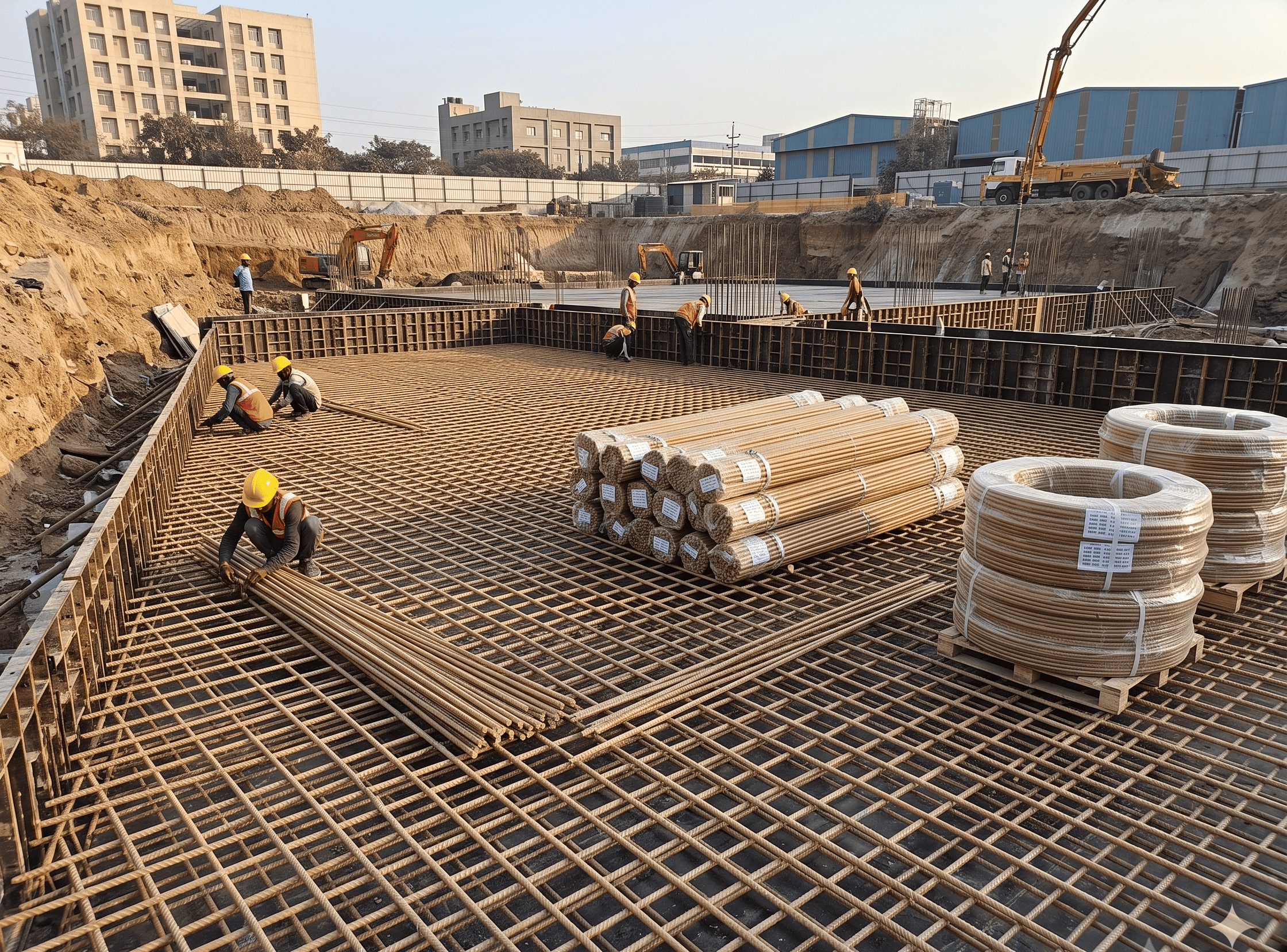
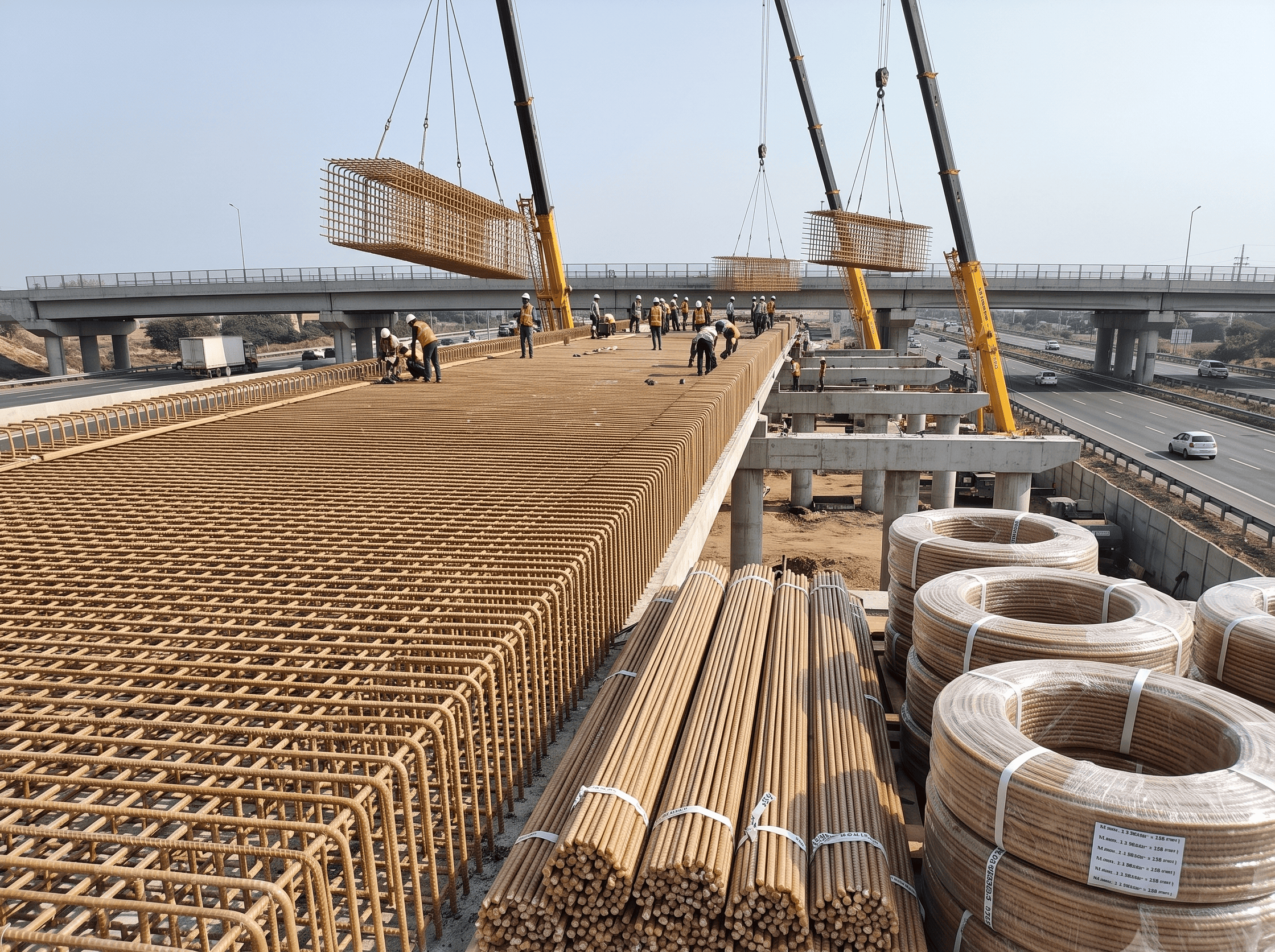
We understand your needs on construction


Where to Use

Benefits

GFRP rebar benefits icon

GFRP Rebar vs. Steel Rebar

Key Differences:

Feature GFRP Rebar Steel Rebar
Corrosion Resistance100% corrosion-resistant (non-metallic)Prone to corrosion, especially in harsh/chemical environments
WeightUp to 75% lighter than steelHeavy – increases transportation and handling costs
Magnetic PropertiesNon-magnetic (ideal for MRI rooms, sensitive installations)Magnetic – not suitable for electromagnetically sensitive applications
Thermal ConductivityLow – better insulator, reduces thermal bridgingHigh – acts as a thermal conductor
Electrical ConductivityNon-conductive – safer in electric installationsConductive – may pose electrical hazards
Bond with ConcreteExcellent with sand-coated or surface-deformed variantsExcellent due to ribbed texture
DurabilityHigh in aggressive environments (marine, chemical plants, etc.)Reduces over time in corrosive environments
Cost (Initial)Higher upfront costLower upfront cost
Cost (Lifecycle)More cost-effective over time due to no rust and lower maintenanceHigher lifecycle cost due to rust repair and maintenance
Installation EaseEasier to cut and handle; no sparks, no special toolsHarder to cut; needs heavy-duty tools and safety precautions
Fire ResistanceLower than steel; may degrade under extreme heat unless protectedVery good fire resistance
Environmental ImpactEco-friendly; recyclable, non-corrosiveCan corrode and pollute; recyclable with energy-intensive processes
Standard Code UsageGaining acceptance in international codes (ACI 440, IRC, etc.)Universally accepted and code-compliant worldwide
Feature: Tensile Strength
GFRP Rebar: Higher tensile strength (1000(+) MPa)
Steel Rebar: Lower tensile strength (450-550 MPa depending on grade)
Feature: Corrosion Resistance
GFRP Rebar: 100% corrosion-resistant (non-metallic)
Steel Rebar: Prone to corrosion, especially in harsh/chemical environments
Feature: Weight
GFRP Rebar: Up to 75% lighter than steel
Steel Rebar: Heavy – increases transportation and handling costs
Feature: Magnetic Properties
GFRP Rebar: Non-magnetic (ideal for MRI rooms, sensitive installations)
Steel Rebar: Magnetic – not suitable for electromagnetically sensitive applications
Feature: Thermal Conductivity
GFRP Rebar: Low – better insulator, reduces thermal bridging
Steel Rebar: High – acts as a thermal conductor
Feature: Electrical Conductivity
GFRP Rebar: Non-conductive – safer in electric installations
Steel Rebar: Conductive – may pose electrical hazards
Feature: Bond with Concrete
GFRP Rebar: Excellent with sand-coated or surface-deformed variants
Steel Rebar: Excellent due to ribbed texture
Feature: Modulus of Elasticity
GFRP Rebar: Lower (~45–60 GPa) – more flexible
Steel Rebar: Higher (~200 GPa) – stiffer and more rigid
Feature: Durability
GFRP Rebar: High in aggressive environments (marine, chemical plants, etc.)
Steel Rebar: Reduces over time in corrosive environments
Feature: Cost (Initial)
GFRP Rebar: Higher upfront cost
Steel Rebar: Lower upfront cost
Feature: Cost (Lifecycle)
GFRP Rebar: More cost-effective over time
Steel Rebar: Higher maintenance and rust repair cost
Feature: Installation Ease
GFRP Rebar: Easier to cut and handle; no sparks
Steel Rebar: Harder to cut; needs heavy-duty tools
Feature: Fire Resistance
GFRP Rebar: Lower than steel unless protected
Steel Rebar: Very good fire resistance
Feature: Environmental Impact
GFRP Rebar: Eco-friendly; recyclable, non-corrosive
Steel Rebar: Corrosive; recyclable with more energy
Feature: Standard Code Usage
GFRP Rebar: Gaining acceptance (ACI 440, IRC, etc.)
Steel Rebar: Universally accepted worldwide
Technical Characteristics

Property GFRP Rebar Steel Rebar
Corrosion Resistance to Aggressive Environments✅ Non-corrosive❌ Corrosive
Corrosion ResistanceHigh (non-conductive)Low
Electrical ConductivityNon-conductiveConductive
Thermal ConductivityLowHigh
Tensile Strength (MPa)1000+550
Compressive Strength (MPa)450500
Bond Strength to Concrete (MPa)>12>15
Modulus of Elasticity (GPa)>=50160 – 200
Density (kg/m³)19007800
Magnetic PropertiesDiamagneticMagnetic Conductor
Durability≥ 80 yearsAs per building code; lower in corrosive areas
Property: Corrosion Resistance to Aggressive Environments
GFRP Rebar: ✅ Non-corrosive
Steel Rebar: ❌ Corrosive
Property: Corrosion Resistance
GFRP Rebar: High (non-conductive)
Steel Rebar: Low
Property: Electrical Conductivity
GFRP Rebar: Non-conductive
Steel Rebar: Conductive
Property: Thermal Conductivity
GFRP Rebar: Low
Steel Rebar: High
Property: Tensile Strength (MPa)
GFRP Rebar: 1300
Steel Rebar: 390
Property: Compressive Strength (MPa)
GFRP Rebar: 550
Steel Rebar: 400
Property: Transverse Shear Strength (MPa)
GFRP Rebar: 220
Steel Rebar: 300
Property: Bond Strength to Concrete (MPa)
GFRP Rebar: >20
Steel Rebar: >12
Property: Ultimate Strain (%)
GFRP Rebar: 1.5 – 2%
Steel Rebar: 15%
Property: Modulus of Elasticity (GPa)
GFRP Rebar: 65
Steel Rebar: 160 – 200
Property: Density (kg/m³)
GFRP Rebar: 2100
Steel Rebar: 7800
Property: Working Temperature Range (°C)
GFRP Rebar: –70 to +160
Steel Rebar: –70 to +50
Property: Magnetic Properties
GFRP Rebar: Diamagnetic
Steel Rebar: Magnetic Conductor
Property: Durability
GFRP Rebar: ≥ 80 years
Steel Rebar: As per building code; lower in corrosive areas
  (+91)   93136 80720
Chat on WhatsApp